Legacy UX
Explore how I approach the modernization of legacy ERPs and web applications through clearer interfaces, simpler workflows, and consistent design systems. These case studies show how thoughtful UX and front-end improvements can address everyday usability challenges while working within existing technical constraints. My approach starts with understanding how people use a system, where they encounter friction, and what information they need to make confident decisions. From there, I focus on practical changes that support daily operations and create a foundation for future improvements.
Account Readiness Screen for a Medical & Surgical Supply
A Solution Design for Microsoft Dynamics GP
Case StudyImprove contrast, forms, navigation, and content structure so real users and modern AI search engines can understand and interact with your site more effectively. Especially important for healthcare, legal, and other public-facing organizations where clarity and compliance matter.
Read the case study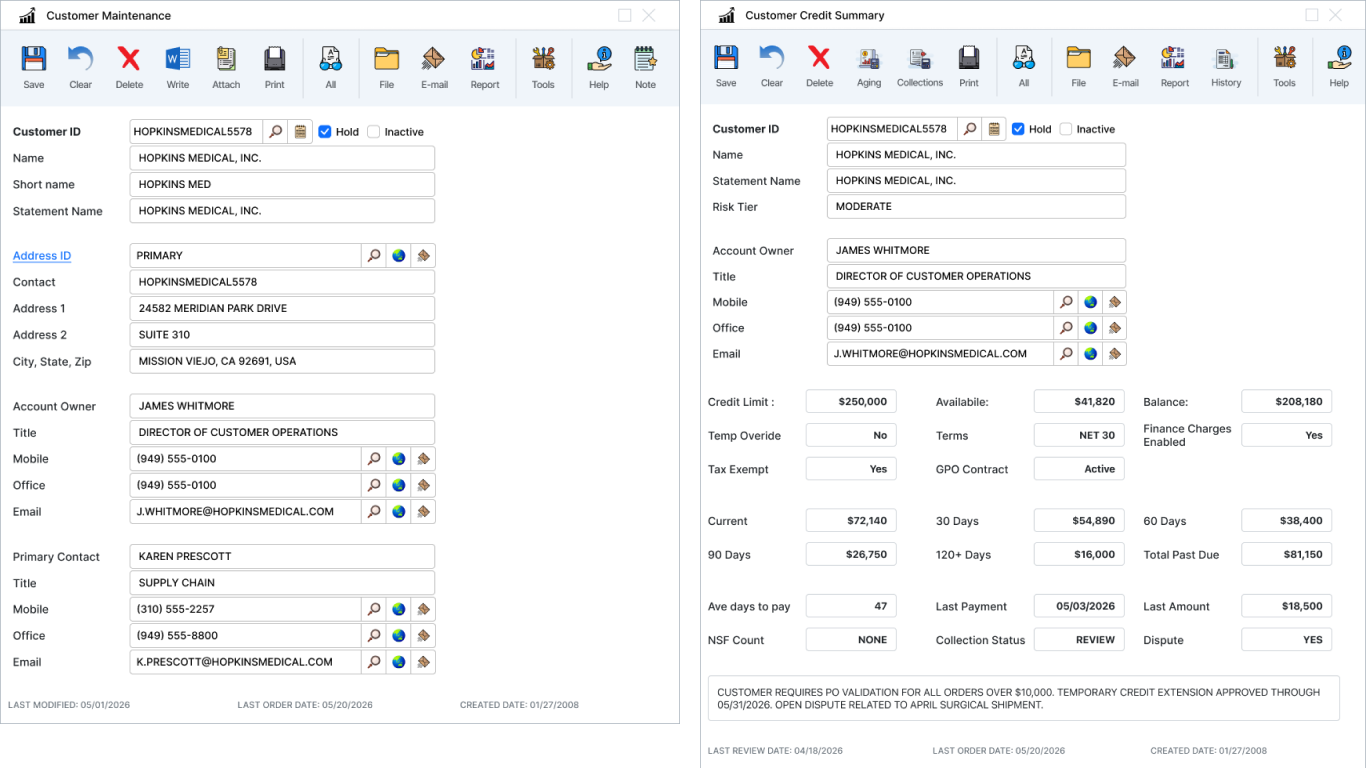
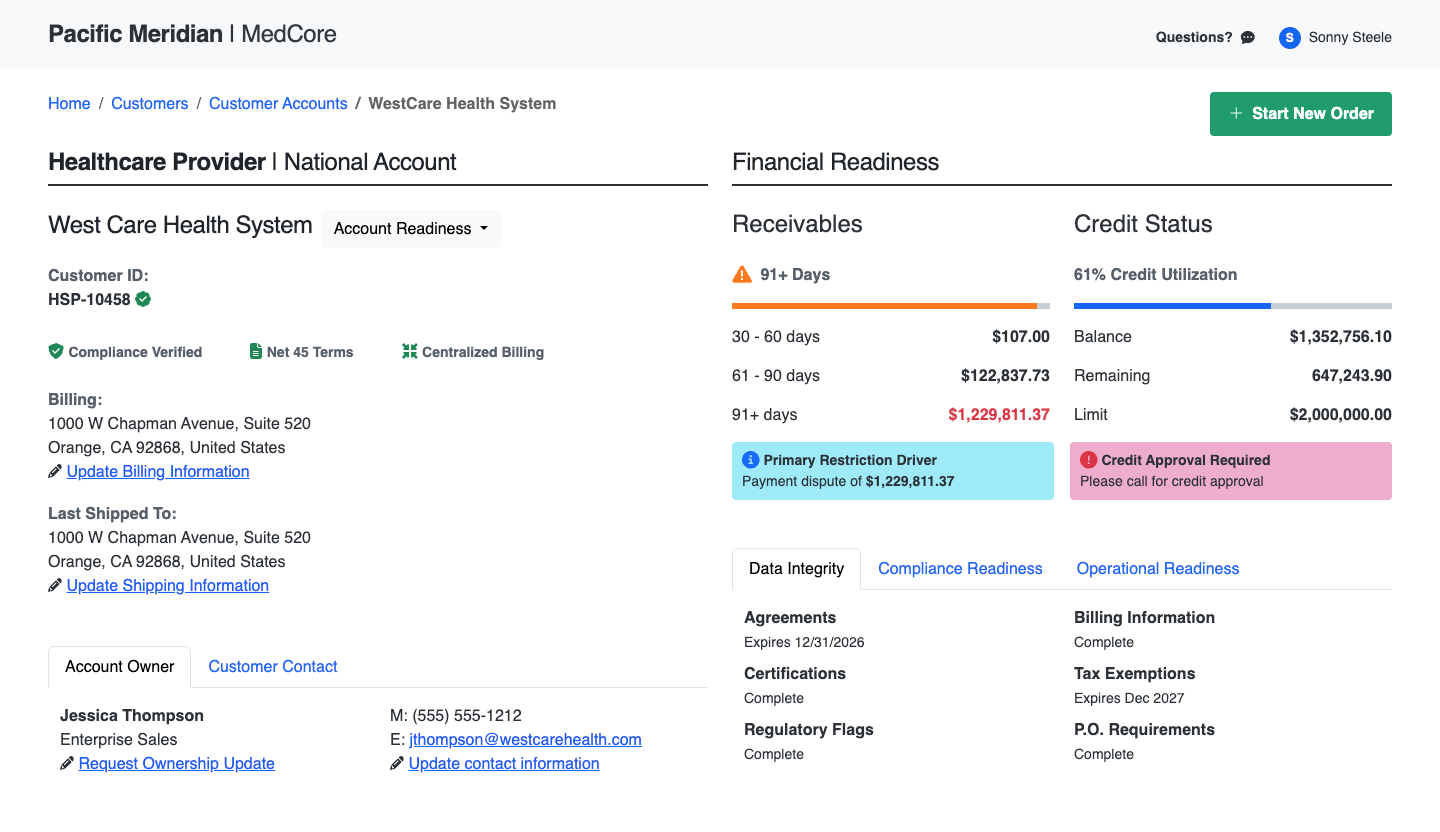
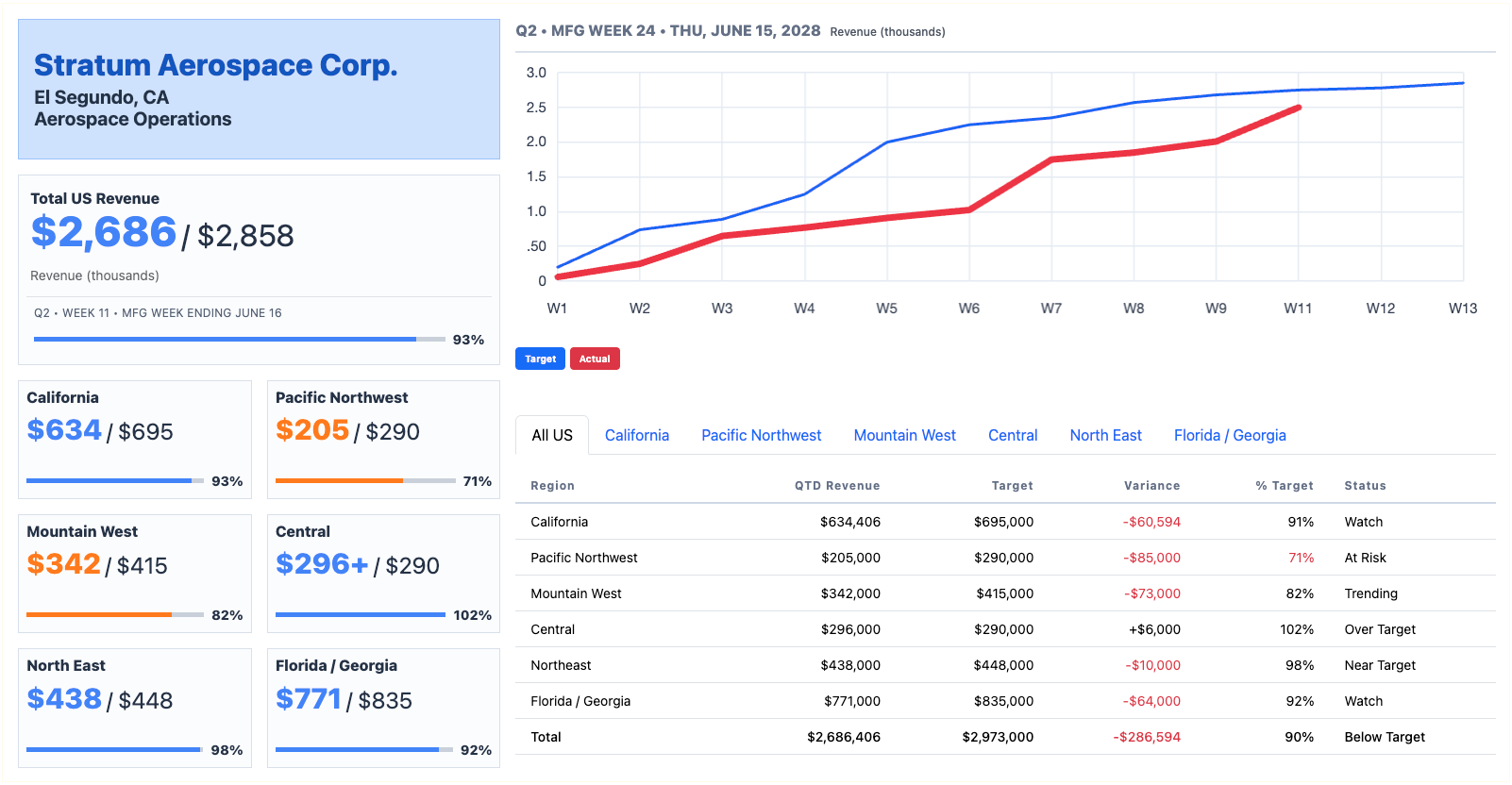
Operational Reporting & Insights for an Aerospace Systems Integrator
Experience Layer Redesign For Legacy ERP
Case StudyA targeted experience-layer modernization converting static reporting into actionable insight—reducing cognitive load, improving decision speed, and aligning stakeholders across commercial and federal programs around a shared operational view.
Read the case study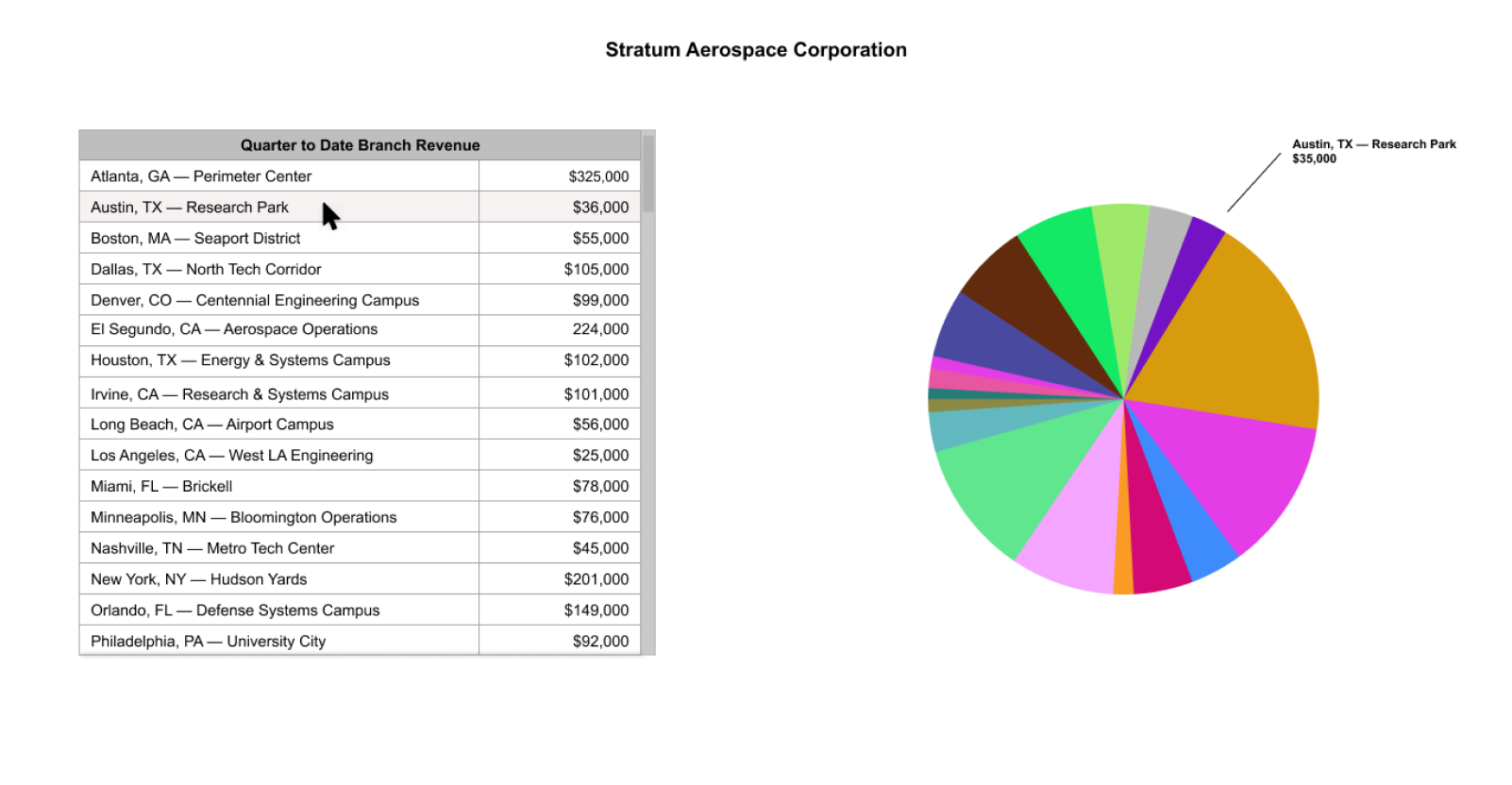
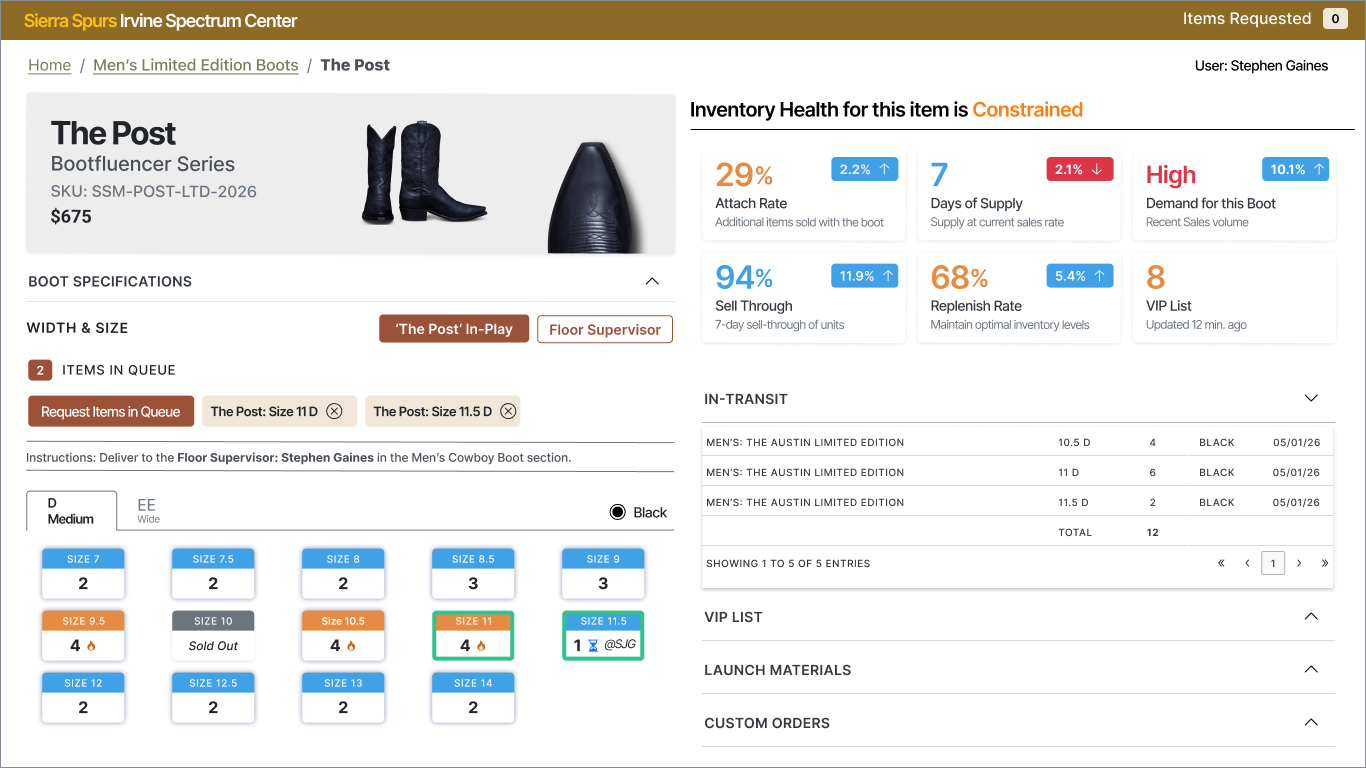
Store Inventory Availability System for Western Footwear Manufacturer
Design System & Experience-Layer Redesign for a Legacy ERP
Case StudyA targeted experience-layer redesign for a legacy ERP environment, focused on improving real-time inventory visibility at the store level. This solution bridges the gap between system-reported inventory and actual selling conditions—enabling store associates to quickly confirm availability, request items from the stockroom, and remain customer-facing during peak sales periods.
Read the case study
Bootbase — Translating Personal Style into Structured Data
Bootbase is a multi-axis style model that enables you to understand your cowboy boot style—then choose with confidence
WordPressBootbase is a concept platform exploring how subjective personal style can be translated into a structured, data-driven system. Focused on cowboy boots and Western fashion, the project examines how users make style decisions in environments shaped by cultural signals, identity, and ambiguity.
Read the case study
